
Sutton House Sanitary Wallpaper reproduction
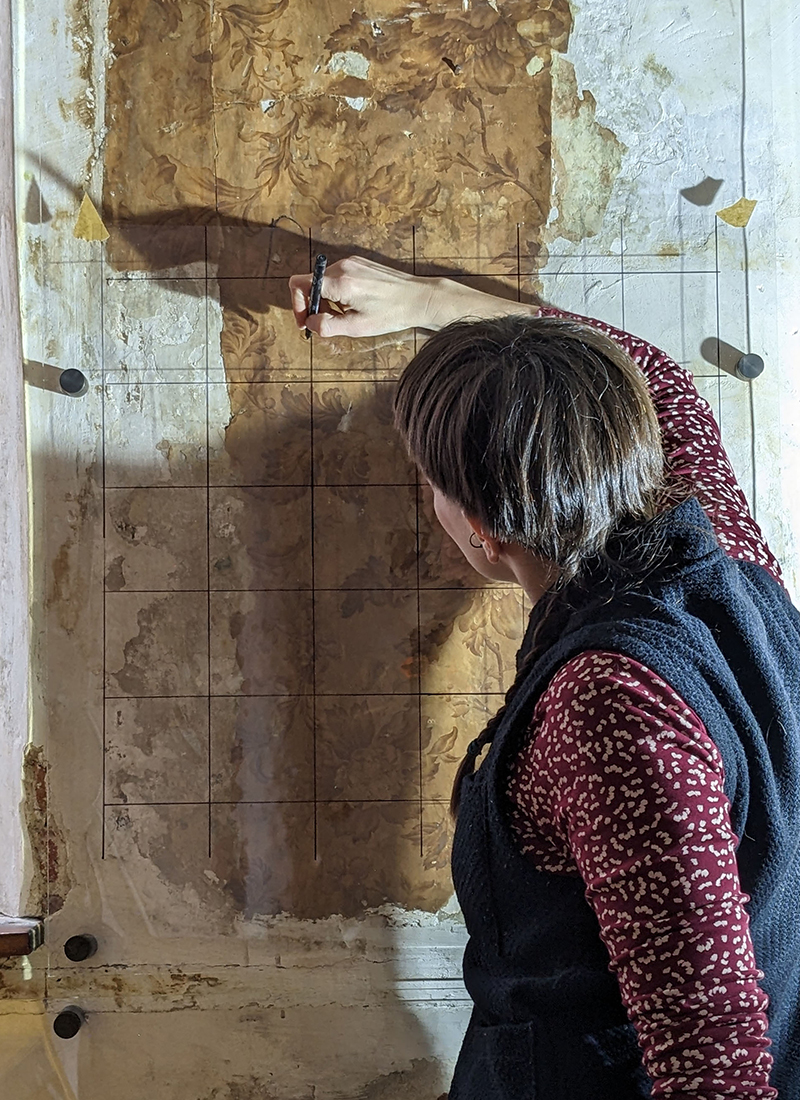
Sutton House, National Trust
19th century Sanitary Wallpaper facsimile
Case study
Sanitary wallpaper was a washable, machine‑printed wallcovering developed in the late 19th century to meet growing concerns about domestic hygiene. It was printed using oil‑based colours rather than traditional water‑soluble distemper pigments.
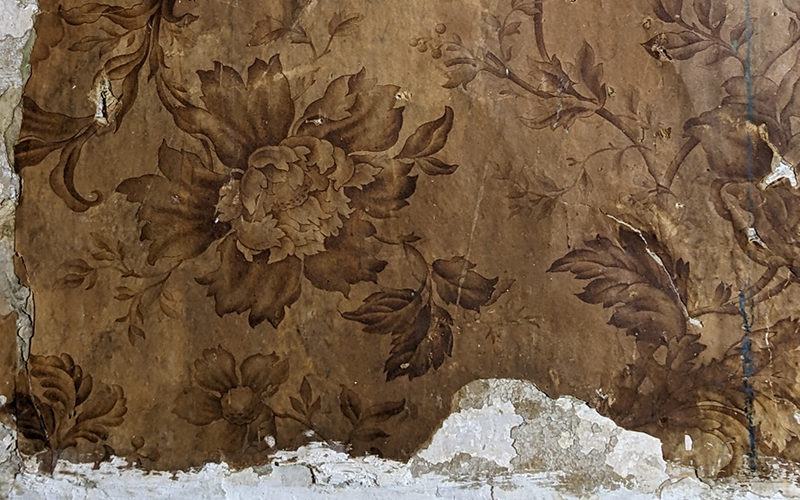
Designs were produced using engraved or etched rollers, allowing for very fine detail, subtle tonal variation, and multi‑colour printing. These wallpapers were often varnished, which caused the discolouration seen today.
Sanitary papers were widely used in Victorian and Edwardian homes, especially in high‑traffic or moisture‑prone areas such as hallways, stairwells, kitchens, sculleries, and bathrooms
Process
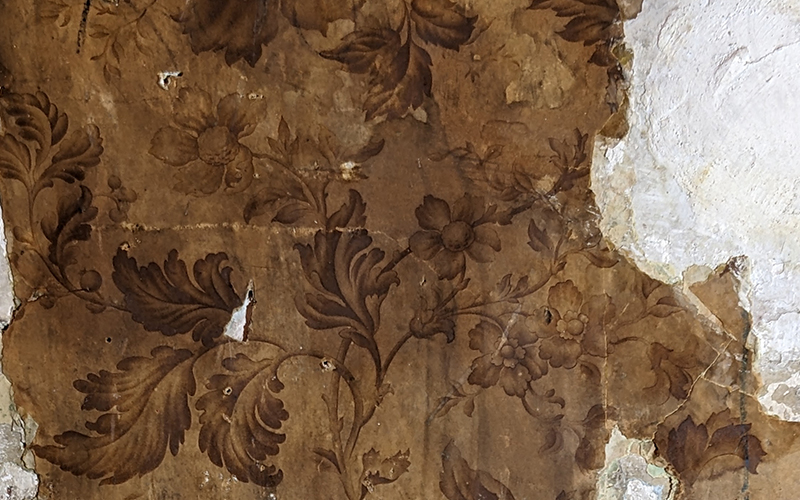
Survey and design analysis
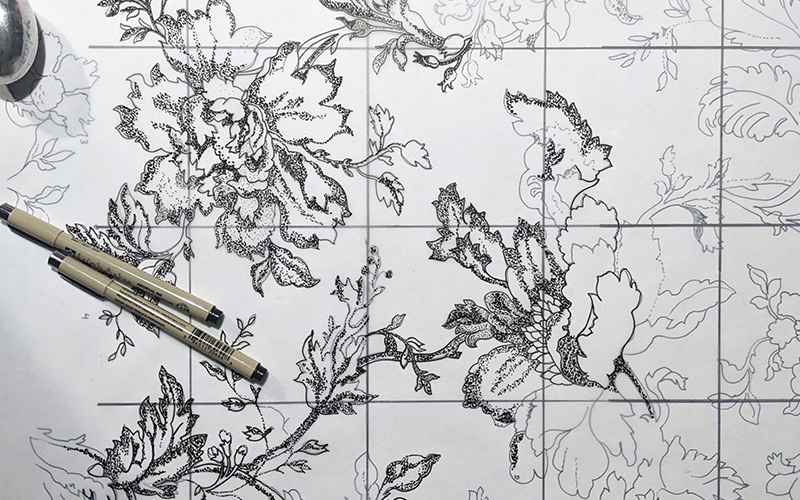
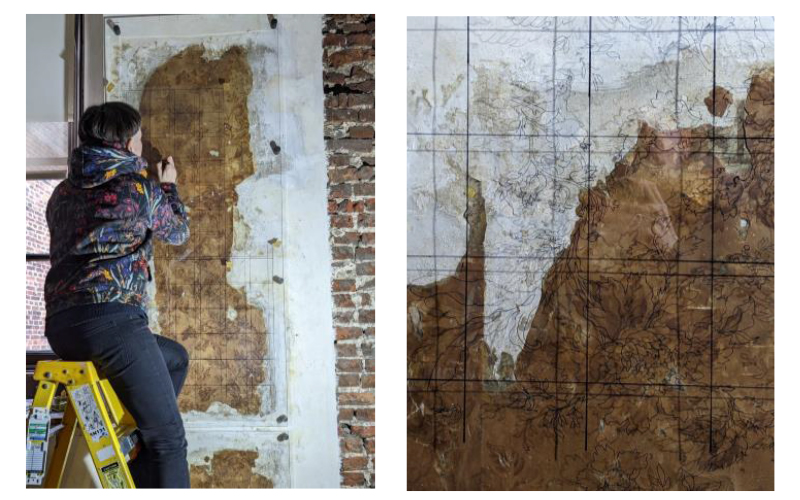
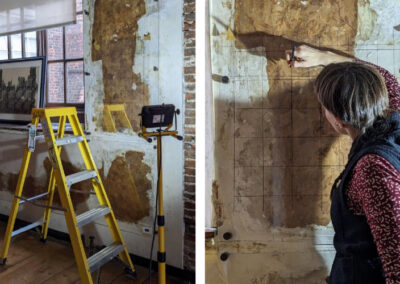
The reproduction process for the Sutton House sanitary wallpaper relied on accurate scale measurement, colour matching, and repeat‑pattern mapping carried out in situ.
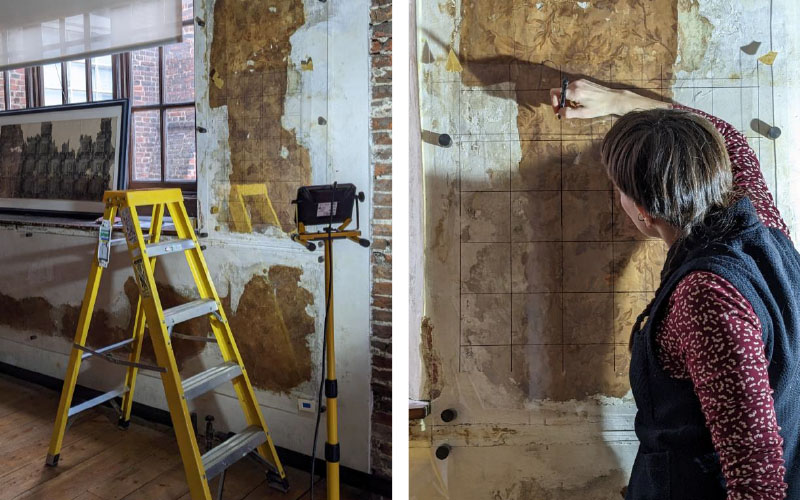
Design mapping
This stage proved particularly challenging because a perspex protective screen had been installed after earlier conservation treatment, limiting direct access to the surviving wallpaper. Despite this constraint, the repeat structure was successfully recorded, and the design was reconstructed with careful attention to the original proportions and details.
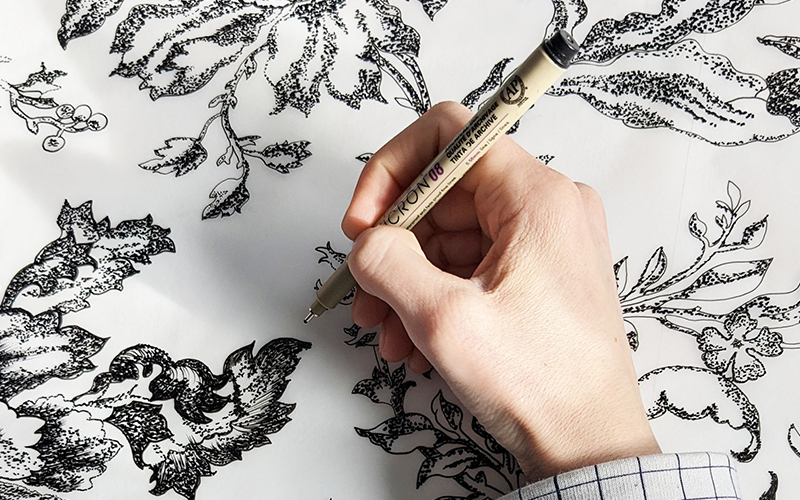
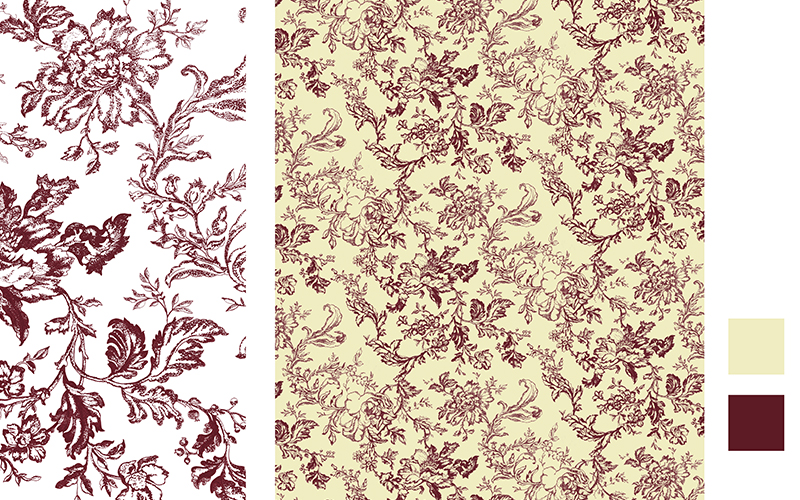
Facsimile Process
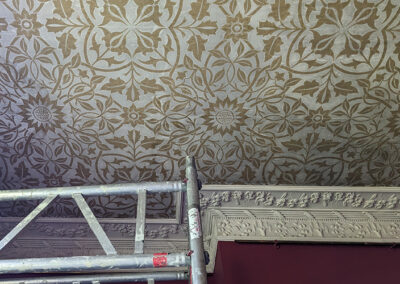
The reproduction reinstated the visual qualities of the original sanitary wallpaper, matching both its pattern rhythm and its distinctive 19th‑century colour character.
Gallery
Contact
justyna@justynamedon.uk